
Gut Microbiome — The Hidden World Inside You
Let us pay a visit to your gut and your gut feelings.
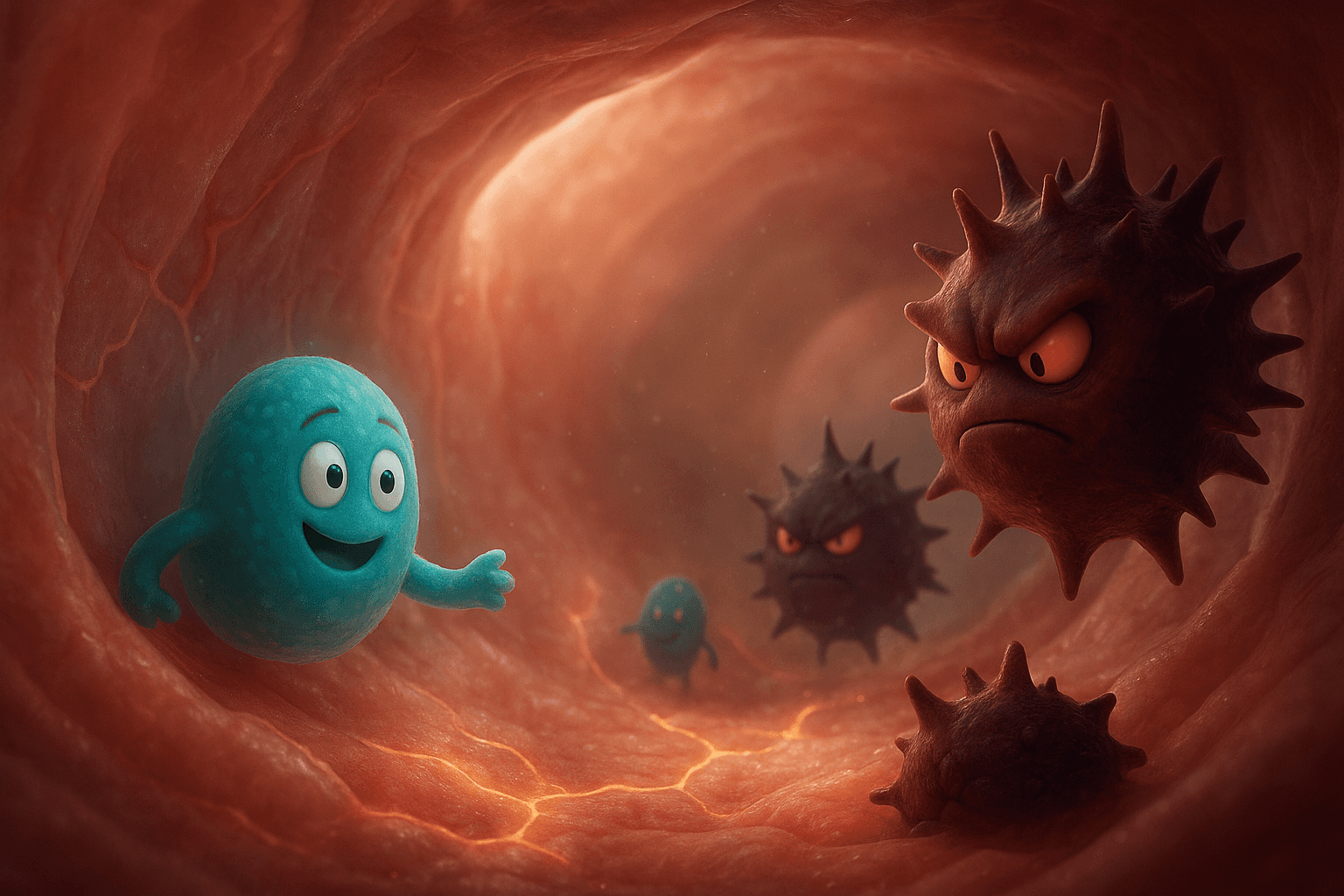
For a long time, we thought our gut was just a part of our digestive system. Turns out, it’s not. If you could look into your gut under a microscope, you would see not thousands, but trillions of microbes — bacteria, viruses, and fungi. These tiny organisms are together called the gut microbiome.
When we hear the word microbes, we usually think of diseases and infections. But these bacteria are actually your warriors, if you feed them well.
Let’s see what all they do.
The Gut–Brain Axis: A Two-Way Conversation
There are nerve connections (mainly the vagus nerve) that go from your gut to your brain, helping microbes and the brain talk to each other.
Certain gut bacteria produce something called short-chain fatty acids (SCFAs) that travel through the bloodstream to the brain. These help in a process called neuroplasticity which supports learning and memory.
Some bacteria also influence how your body uses tryptophan, an amino acid that is essential for making serotonin which is the chemical that calms your brain and gives you clarity.
A Healthy Gut for Strong Immunity
When there is a balanced gut microbiome, it produces SCFAs that reduce inflammation and keep your immune system stable.
But when there is an imbalance, the gut becomes inflamed—a condition often called as “leaky gut.”
A leaky gut allows inflammation to spread throughout the body, which weakens your immune defense.
So, a healthy gut means a stronger shield against illness.
Calm Gut, Calm Mind
Gut microbes help in the production of key brain chemicals called neurotransmitters —
Serotonin for mood, appetite, and sleep.
GABA for calmness and less anxiety.
Dopamine for motivation and focus.
So when your gut is calm, your mind feels calmer and more motivated too.
Gut and Metabolism
Your metabolism is deeply connected to your gut microbiome. Good gut bacteria improve insulin sensitivity and help manage energy storage and use.
But when the balance is lost, insulin resistance increases — paving the way for chronic diseases like diabetes, obesity, and fatty liver.
What Causes Gut Imbalance (Gut Dysbiosis)?
Here are some common reasons why the gut microbiome goes out of balance:
• Poor diet—High sugar, processed fats, and artificial additives feed the bad bacteria and harm the good ones.
• Frequent antibiotic use—Antibiotics kill both bad and good bacteria.
• Chronic stress—Increases inflammation and stress hormones, leading to a leaky gut.
• Poor sleep – When your body’s rhythm is disturbed, your microbes’ rhythm is also affected.
• Physical inactivity – Less activity means fewer SCFAs, leading to inflammation.
• Environmental chemicals and pollution—Toxins can damage beneficial bacteria.
• Over-sterilized environment – The “hygiene hypothesis” says that kids who grow up in overly clean surroundings often have higher allergy rates because their immune systems don’t get enough microbial exposure.
Signs Your Gut Needs Help
Your gut often sends signals when it’s not happy. Common signs include bloating, gas, constipation, fatigue, brain fog, or sudden food cravings. You may also notice mood changes, poor sleep, or frequent infections. These are gentle reminders from your body that your gut needs care and balance.
What Can We Do?
• Eat plenty of plant fiber and fermented foods.
• Avoid unnecessary antibiotics.
• Move your body every day.
• Manage stress through mindfulness or deep breathing.
• Sleep well to maintain gut rhythm.
A Short Note on Famous Probiotics and Prebiotics
Probiotics are the live good bacteria that we get from food. We get them from foods like yogurt, buttermilk, dosa, idli, fermented kanji and homemade pickles.
Prebiotics are the food that helps the growth of these good gut bacteria. These are fibers found in fruits, vegetables, and whole grains.
To build this beautiful intelligent ecosystem we need both.
At Lyxaa, your gut is one of our top priorities. We believe the gut is much more than just food and digestion. Unless we understand this inner system, we can never offer true, holistic health.
For us, your brain health, mood, and metabolism everything matters.
When the microbiome is in balance, the body finds its natural rhythm -energy improves, you sleep better, inflammation settles, and clarity returns. we help you bring your gut and your whole system back into harmony.
Because when your gut thrives, you thrive.
References:
https://pmc.ncbi.nlm.nih.gov/articles/PMC7005631/
https://pmc.ncbi.nlm.nih.gov/articles/PMC7231603/
https://www.ifm.org/articles/sleep-dysfunction-the-microbiome
https://www.ifm.org/articles/role-of-microbiome-in-immune-diseases