Gut-brain signalling
IBS involves communication between the gut and brain. Psychological approaches may be part of symptom care when appropriate.
Your gut and brain are closely connected. Stress, sleep, mood, energy and digestive symptoms can influence each other. Flore brings these patterns together to understand your individual triggers and build a personalised plan to support both gut and overall wellbeing.
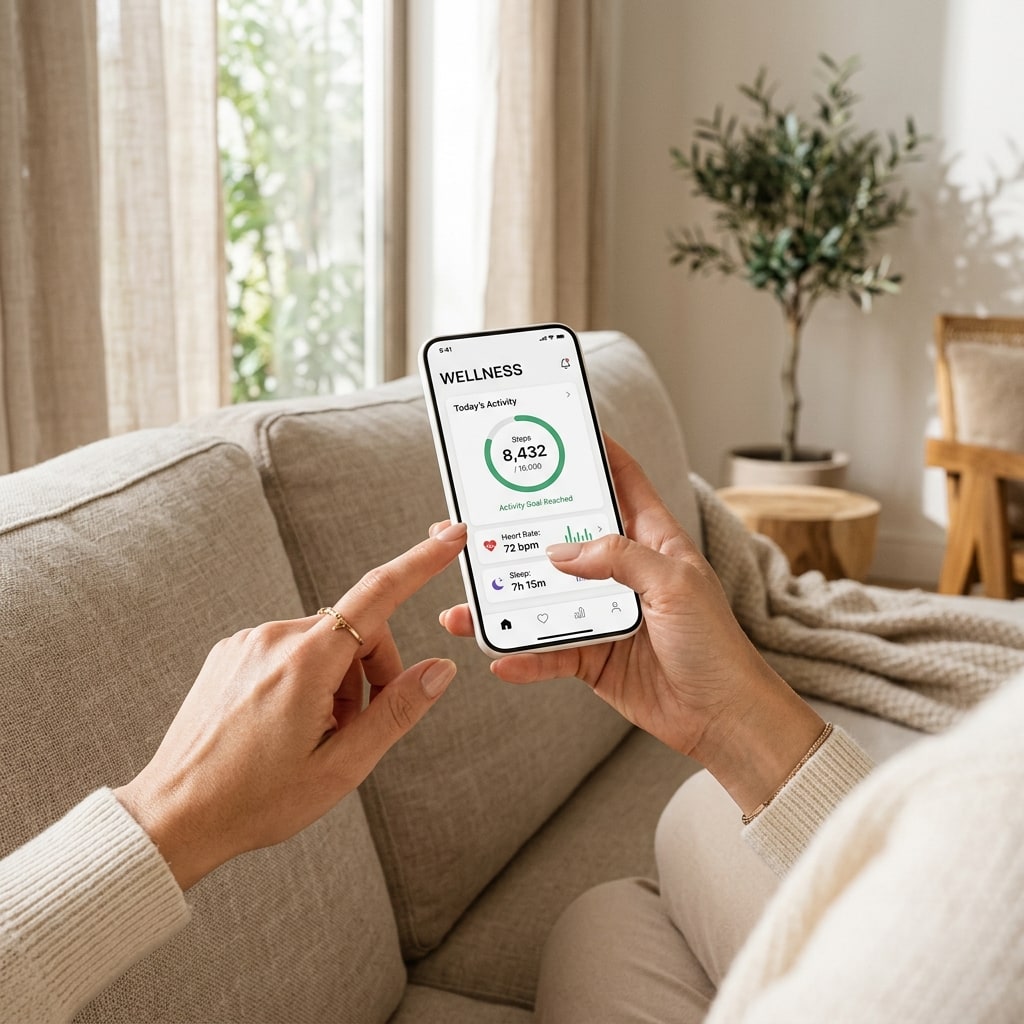
Brain fog, stress, sleep, mood, microbial signals, and energy rhythm. These patterns can guide a clinical conversation, but they do not identify a diagnosis or prove that a microbiome imbalance is the cause.
Start with medical assessment when symptoms are new, persistent, severe or accompanied by warning signs. A support programme may be useful after the clinical question and safe next step are clear.
Not routinely. Commercial microbiome testing has limited proven clinical usefulness and cannot diagnose the cause of these symptoms. Consider it only after discussing what question it would answer and whether the result would change care.
When to consider this
Stress, mood, sleep and digestive health can influence each other. These signals do not confirm that your symptoms are caused by the gut, but they can help identify patterns worth exploring together.
Why Flore
Flore does not begin with a bottle or a generic elimination diet. It begins with symptom rhythm, food context, stress, sleep, medical history, and microbiome testing when it can change the decision.
IBS involves communication between the gut and brain. Psychological approaches may be part of symptom care when appropriate.
Microbiome research is evolving. A consumer result cannot show that digestive symptoms are causing mood, sleep or cognitive changes.
A reactive nervous system can amplify digestion and mental fatigue together.
Persistent fatigue or difficulty concentrating needs its own assessment rather than being attributed to gut bacteria.
How it works
We review brain fog timing, meals, sleep, stress, stool rhythm, and daily energy dips.
Testing is considered only when it can inform a practical decision and is never used to diagnose a mental-health condition.
Expert doctors review the case while nutrition and lifestyle support target gut-brain rhythm.
The plan evolves with focus, sleep, gut comfort, and food-response feedback.
Programme fit
The exact path is confirmed after assessment. These are the common starting points.
✓Start with a clinical review of symptoms and previous care
✓Explore a four-month Flore pathway if ongoing support is appropriate
✓Agree on any testing and programme details before choosing a plan
Compare gut health plans and pricingStart with clarity